



A year ago, we shared how, in Leuven, we began exploring pathways towards an Urban Resource Centre (URC): a collaborative model in which materials retain their value and circulate locally. This breakthrough project grew out of a coalition of Leuven-based companies and organisations, brought together through the Leuven Circulair platform. It took shape within the circular hub C3000 and gained additional momentum towards the end of 2024 thanks to Leuven 2030. In 2025, we are taking focused steps to further strengthen the URC.
From ideas to realistic next steps
At the end of 2024, Happonomy and Circular Hub C3000 facilitated a joint trajectory around the concept of an Urban Resource Centre. Together with Leuven organisations working on reuse and materials, we explored our shared ambitions and needs, as well as the areas where collaboration can create added value.
This process resulted in four clear priorities on which the partners want to collaborate: a physical location, logistics solutions (for example, efficient ways to collect and distribute materials), opportunities for growth, and clear communication. These themes offer the greatest potential for impact and sustainable scaling. In 2025, we started working concretely on each of them.
Moving ahead at the speed of the ecosystem
Over the past year, partners have worked closely with the Circular Hub on very concrete projects focused on different residual material streams, such as plastics, construction materials, textiles and electrical appliances. Wherever possible, we also involve people from the social economy, ensuring that these projects create jobs and opportunities. In this way, we are gradually growing towards a shared Urban Resource Centre.
Atelier Circuler as a frontrunner for the URC
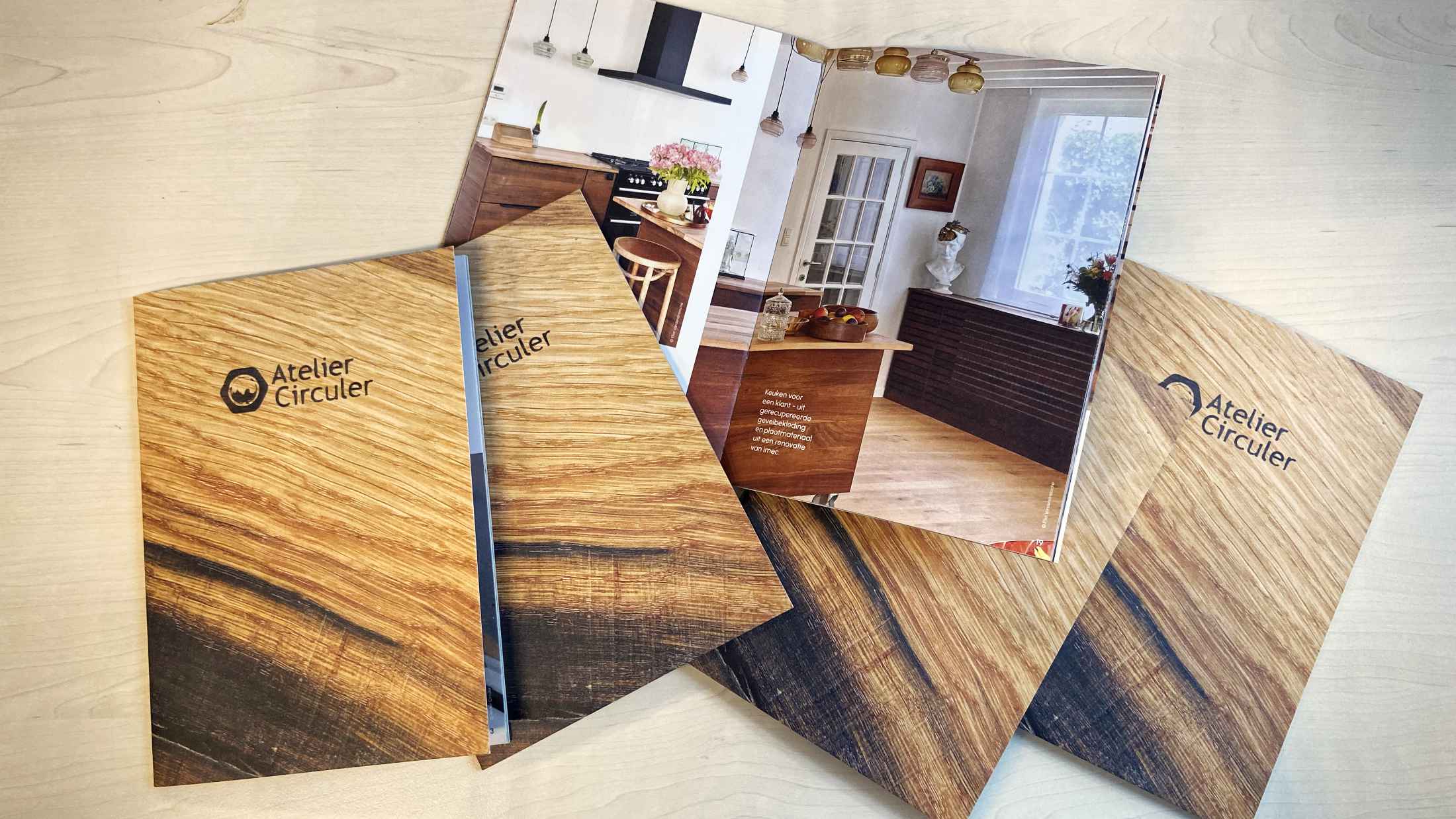
Atelier Circuler is ready to enter a new phase of growth, with an increasingly professional and diverse offer—fully prepared to meet a rising demand. Within the Circular Series initiative launched by Circular Hub C3000 in 2024, Leuven 2030 supported Atelier Circuler in 2025 with a marketing campaign to increase visibility and encourage more organisations to engage with circular materials and services. Tools such as sample kits, sales materials and targeted outreach strengthen not only Atelier Circuler, but also the broader URC narrative.
A location as a catalyst
Today, the Maakleerplek—developed with the support of the city—serves as a testing ground for Leuven’s circular initiatives.
.jpg)
The City of Leuven is supporting the partners in their search for a larger site where successful circular activities that are currently outgrowing their space, such as the Materials Bank in Herent, can continue to develop and reinforce one another. Such a physical location will act as a key accelerator: a place where collaborations become more tangible and scalable, and where the URC becomes visible to residents and businesses alike.
New material streams: plastics as a lighthouse project
In addition to wood, electrical appliances and textiles, the Circular Hub and Leuven 2030 are also developing a business case for a circular plastics stream. Plastics have emerged as a promising material flow, with clear demand and supply. By structuring this value chain effectively, we are building a third ‘lighthouse’ or pilot case within the future URC.
Looking ahead
The focus has shifted from exploration to action. We are developing concrete cases, strengthening partnerships, and laying the physical and organisational foundations for a robust Urban Resource Centre. In doing so, we are steadily working towards a Leuven that does not waste its materials, but values them—a city ready for the future.



In partnership with

Related breakthrough projects


