



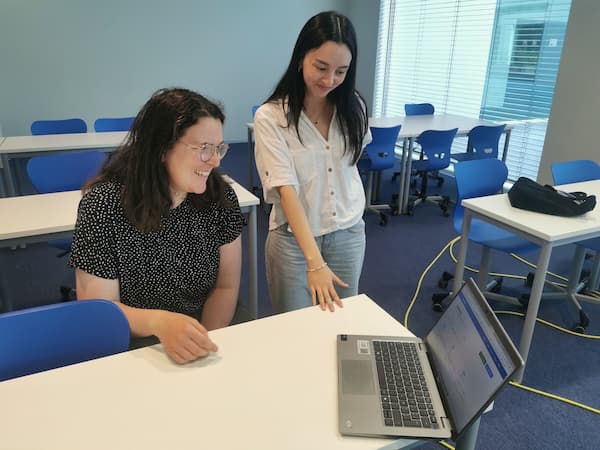
In 2025, Leuven 2030 continued working on healthy and sustainable food for everyone in Leuven through the European FEAST project. One of the tools used to support this goal is the digital collaboration platform GezondxLeuven, an interactive website where professionals working on accessible food can share tips, recipes, inspiration and practical examples.
With this platform we hope to strengthen the network between partners, make knowledge easier to share and allow spontaneous bottom-up initiatives to emerge. In 2025 the focus was mainly on collaboration between community centres and the different partners involved in the project.
In the coming months we will explore how we can attract more diverse organisations to the platform and how it can operate more independently. The goal is to make information circulate faster.
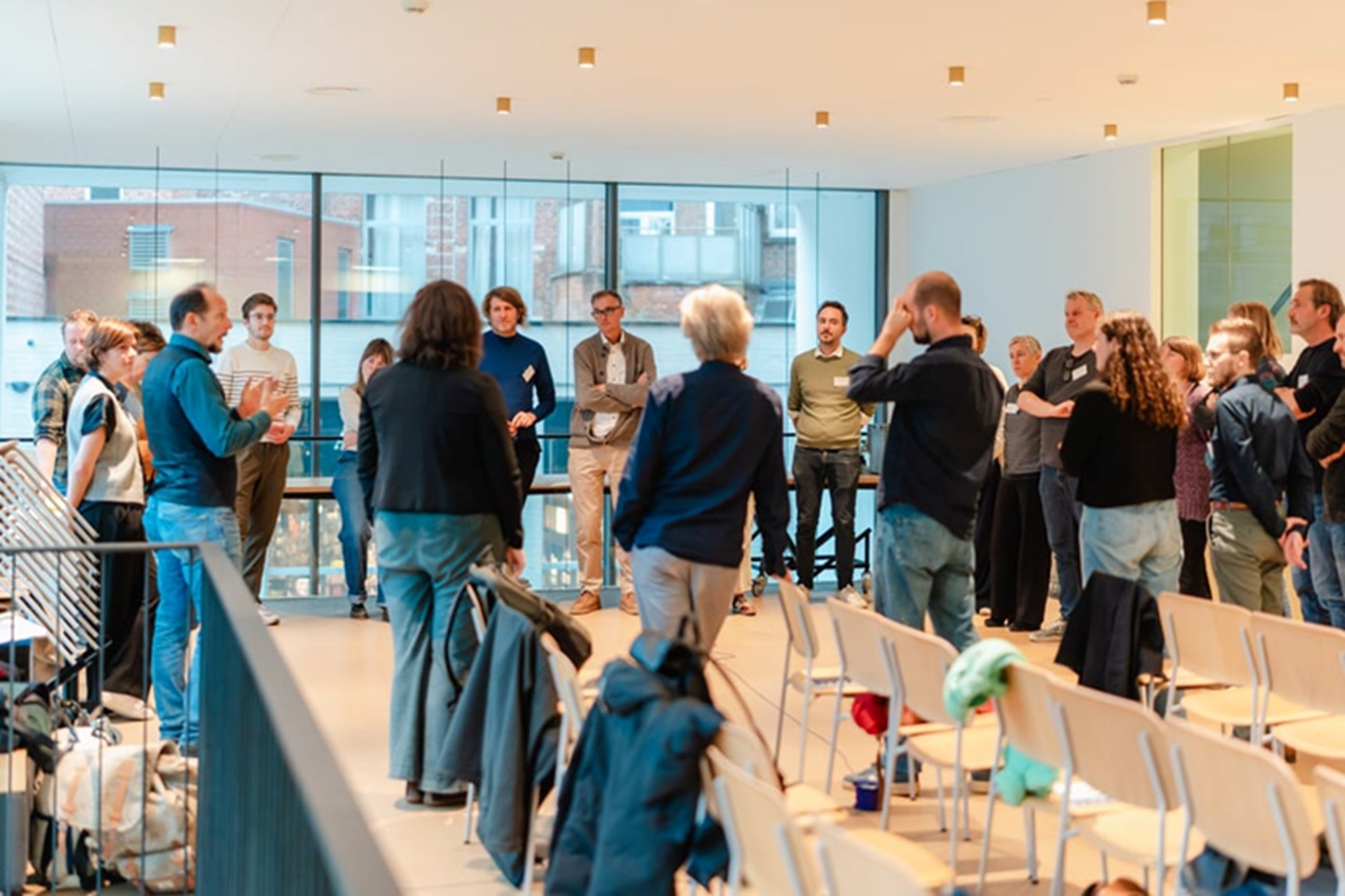
Over the past year we’ve combined this digital component with local workshops in neighbourhood centres: warm, social environments where Leuven residents can come together and enjoy a good meal at an affordable price.
What did we learn?
Neighbourhood workers responded positively to the collaboration platform. Partners mentioned that they appreciate having all the information in one place, and that the tips, recipes and examples are immediately useful in the kitchen.
The weekly newsletter encouraged users to check the platform more often, although there is still room for improvement. What clearly worked best were the live workshops.
FEAST’s workshops in collaboration with Foodatelier César, Gezond Leven and community health centre Caleido were well received. The personal contact with chefs and cooks encouraged people to join in and participate. Food tastings, always a hit, allowed residents to try new flavours at their own pace.
In the meantime, KU Leuven sparked conversations about veggie meatballs and other healthy recipes through an on-site poster campaign, while also feeding research on how communication can encourage people to experiment with new alternatives.
Even with a very busy agenda, quite a lot was achieved in a short time:
- The kitchen staff at community centre Sint-Maartensdal are now experimenting with concrete actions around healthy and sustainable food every quarter, followed by an evaluation.
- Neighbourhood centre Buurtwerk ’t Lampeke adjusted the portion sizes of meat servings and switched to a more affordable plant-based cooking oil, without any negative impact on health.
“By choosing an affordable plant-based oil instead of olive oil, we could free up part of our budget for fish. This way we are less dependent on cheaper kinds of meat.” - Sven Schroeders, ‘t Lampeke
Next step: a bigger reach and more plant-based options
For the first time, during the event Two Years of Climate City Contract Leuven in October 2025, we brought together a larger and more diverse group of people on this topic, including representatives from residential care centres, childcare facilities and schools. This created new connections and showed the potential of expanding the network further.
Building on the insights from last year, the next phase of the project will focus more strongly on expanding the reach of the platform and exploring themes such as legumes, vegetables and other plant-based options together with partners and experts.
The goal is to further develop the platform into a practical tool that organisations can use independently in the long term, helping Leuven move step by step towards a food system that is healthy, sustainable and accessible to everyone.
Next steps
We are at the beginning of a new phase, but the direction is clear. Together, we are working towards a future where healthy and sustainable food is accessible to everyone and where food remains above all delicious, social, and something that brings people together.
Co-funded by the European Union
FEAST is co-funded by the European Union's Horizon Europe research and innovation programme under grant agreement number 101060536. Views and opinions expressed are those of the author(s) only and do not necessarily reflect those of the European Union. Neither the European Union nor the granting authority can be held responsible for them. UK participant in FEAST (Good Food Oxfordshire) is supported by Innovate UK grant number 10041509 and the Swiss participant in FEAST (FiBL) is supported by the Swiss State Secretariat for Education, Research and Innovation (SERI) under contract number 22.00156.


In partnership with

Related breakthrough projects


.jpg)
.jpg)
.jpg)
